This site is not supported by your current browser.
Please use one of these browsers.


H₂S Removal System
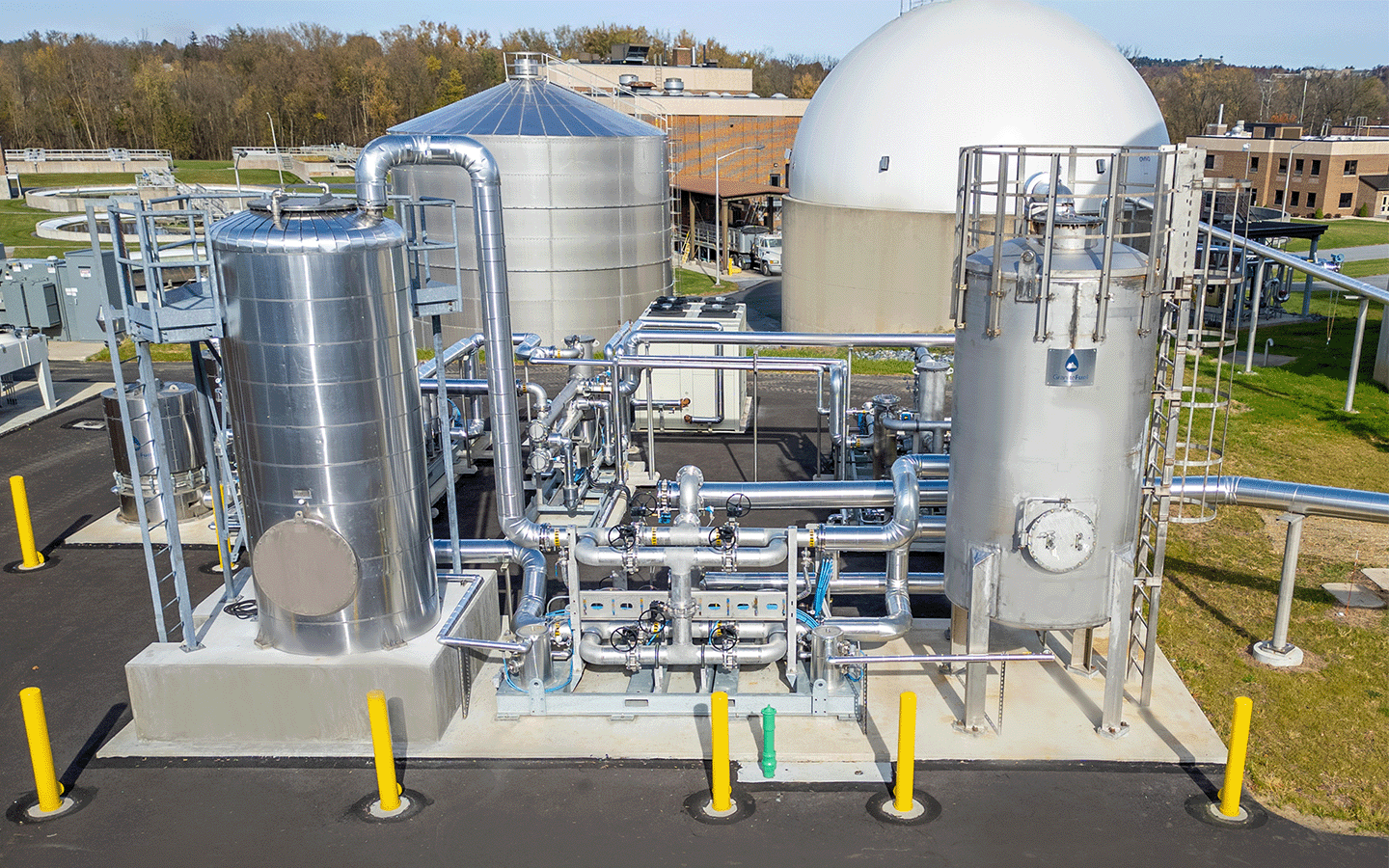
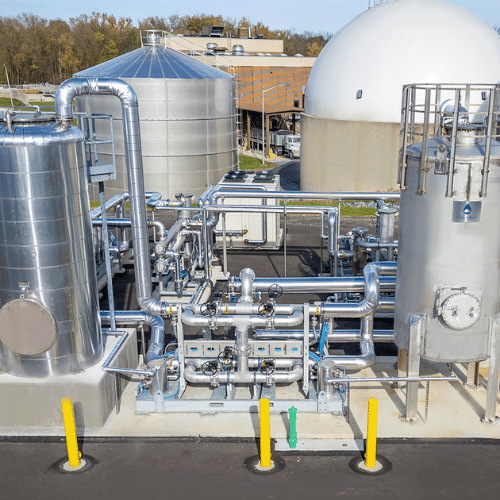
The GraniteFuel H₂S Removal System provides reliable H₂S removal from raw biogas, protecting equipment and, efficient RNG upgrading.
Description
H₂S Removal System for Safe and Efficient Biogas Conditioning
The GraniteFuel H₂S Removal System provides reliable removal of hydrogen sulfide (H₂S) from raw biogas to protect downstream equipment and ensure safe, efficient operation of renewable natural gas (RNG) upgrading systems. Hydrogen sulfide is a corrosive and toxic gas that can damage compressors, membranes, and catalysts while reducing the overall value of the biogas. By maintaining low and stable H₂S levels, the system helps operators meet environmental standards, minimize maintenance costs, and extend equipment lifespan.
Designed for continuous operation under variable load conditions, GraniteFuel’s H₂S Removal System is trusted in agricultural digesters, wastewater treatment plants, and landfill gas recovery facilities. Each system is engineered for the site’s gas characteristics and flow rate, ensuring optimal sulfur capture and long-term reliability within the biogas conditioning process.
Key Features and Benefits of the H₂S Removal System
Effective Hydrogen Sulfide Removal
The system uses advanced dry or regenerative media to capture H₂S from the gas stream before it reaches compressors or upgrading membranes. This eliminates corrosion risk and improves downstream process stability.
Custom-engineered Media Configurations
GraniteFuel selects the ideal media formulation and vessel configuration based on inlet concentration, gas composition, and operating temperature. This ensures consistent removal efficiency across different biogas sources and site conditions.
Compact Skid-mounted Design
All system components, including vessels, piping, and instrumentation, are integrated onto a single skid for quick installation and minimal footprint. The modular design allows easy integration into existing conditioning or upgrading systems.
Automated Monitoring and Control
Continuous monitoring of pressure, temperature, and H₂S concentration provides real-time visibility into system performance. Automated controls manage media utilization and change-out intervals for uninterrupted operation.
Long Service Life and Low Operating Cost
Optimized flow distribution and corrosion-resistant construction extend system longevity while reducing maintenance requirements. Operators benefit from fewer media replacements and lower total cost of ownership.
Seamless Integration with GraniteFuel systems
The H₂S Removal System connects directly with Dehydration, NH₃ Removal, and VOC/Siloxane Removal Systems to create a complete biogas conditioning solution that prepares gas for Compression and Gas Separation Systems.
H₂S Removal System Applications in Biogas and RNG Projects
Agricultural Biogas and Farm Digesters
In agricultural digesters, biogas can contain elevated levels of hydrogen sulfide produced during organic breakdown. The H₂S Removal System efficiently captures this contaminant to prevent damage to compressors, upgrading membranes, and catalytic polishing units. This protection ensures more consistent methane recovery and supports long-term RNG production on farms.
Wastewater Treatment and Municipal Facilities
Hydrogen sulfide is a common byproduct of sludge digestion in wastewater treatment plants. GraniteFuel’s H₂S Removal System provides dependable protection for blowers, piping, and heat exchangers by maintaining low H₂S concentrations. Municipal operators benefit from reduced odor emissions, safer working conditions, and lower corrosion-related maintenance.
Landfill Gas Conditioning and Recovery
Landfill gas often contains variable H₂S levels depending on site composition and waste age. The system ensures stable operation of compression and upgrading units by removing hydrogen sulfide prior to gas polishing or injection. Consistent performance across changing conditions makes it ideal for landfill gas-to-energy and RNG projects.
Integration with Other GraniteFuel Systems
The H₂S Removal System operates as a central component within GraniteFuel’s biogas conditioning platform. It typically follows the Dehydration System and can be paired with the NH₃ Removal and VOC/Siloxane Removal Systems for comprehensive gas cleanup. Downstream, the purified gas proceeds to the Compression and Gas Separation Systems for methane upgrading and polishing.
Each system includes instrumentation for pressure and gas analysis, compatible with GraniteFuel’s control infrastructure. This integration allows unified monitoring and management across multiple skids, simplifying operation and maximizing plant uptime.
For more information, please visit our website.